Animal Fodder & Cheese › Sheep Fodder

ESG advantages of hydroponic fodder vs. traditional flock feeding.

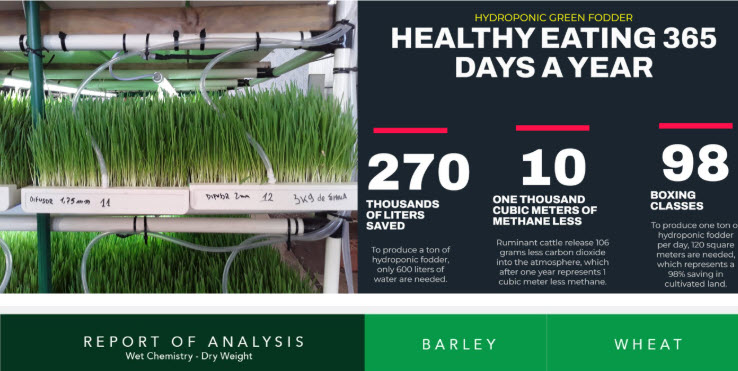
Hydroponic fodder's high digestibility and optimized nutritional profile allow for more efficient ruminal fermentation — and because it's easier to break down in the rumen, sheep produce less methane digesting it than they do on conventional fodder.
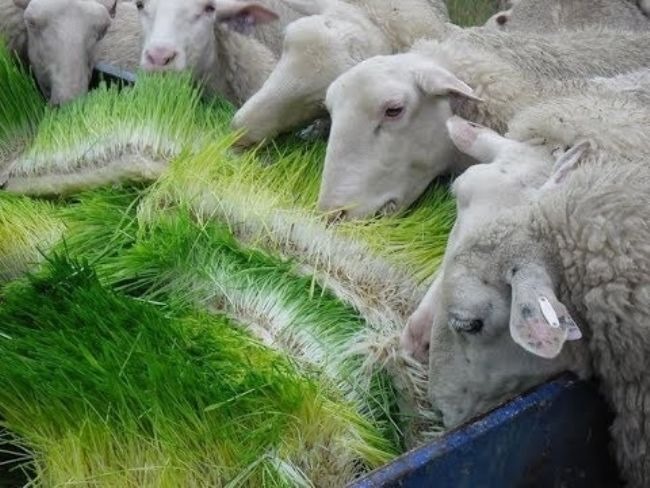
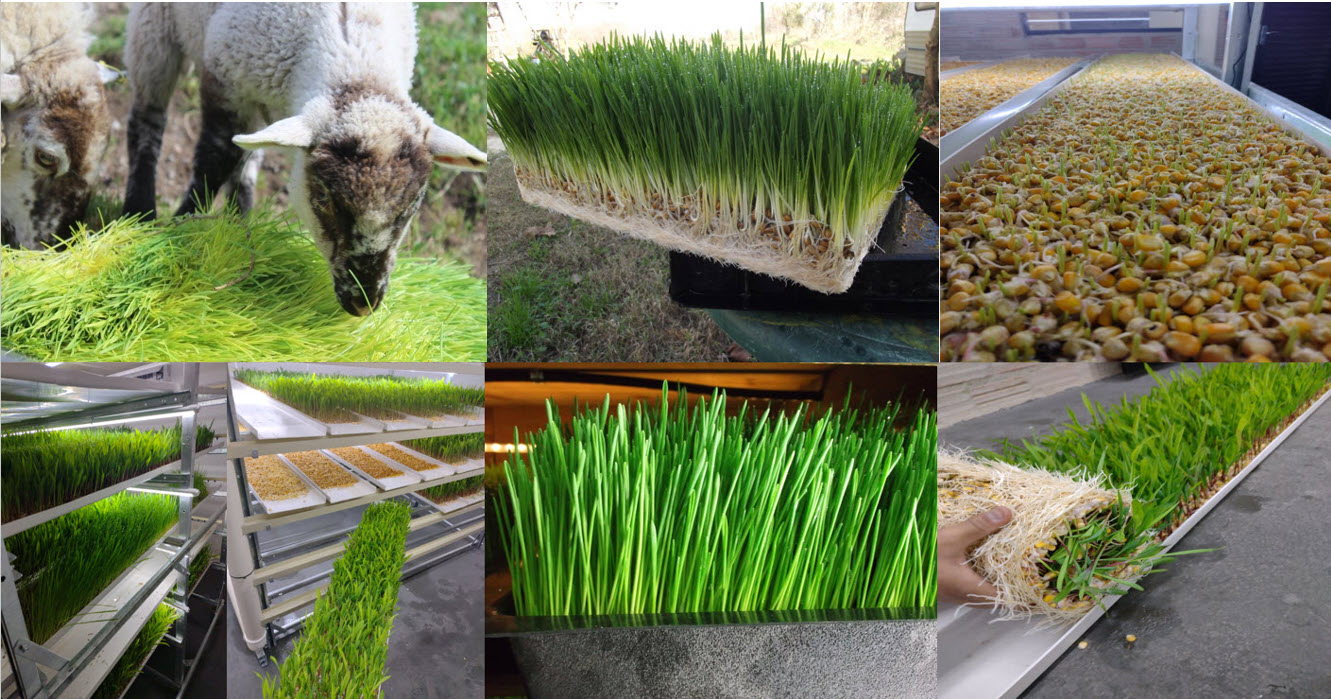
Sheep with a Fresh Fodder Roll Sheep with a Fresh Fodder Roll
See the system in action.

Watch the Hydroponic Fodder Brainshark presentation for a full walkthrough of the growing system.

Watch The Brainshark →

Proven Advantages

A balanced, high-quality source of nutrients.

Hydroponic fodder is rich in proteins, vitamins and minerals essential for animal growth and health — with a protein content higher than many traditional fodders, helping cover nutritional requirements efficiently. Its exceptionally high digestibility improves nutrient absorption in the digestive tract, optimizing feed conversion and promoting healthy weight gain in measurably less time.

Emissions

Methane Reduction

More efficient ruminal fermentation means measurably lower methane output per animal, per day.

Nutrition

Higher Protein Content

A richer, more balanced nutrient profile than many traditional fodders, supporting growth and health.

Conversion

Better Feed Conversion

Exceptionally high digestibility improves nutrient absorption, promoting healthy weight gain in less time.

What A Feed Contract Delivers

Continuous supply, constant nutrition, lower risk.

A feed contract with Greenfield offers continuous access to fresh, high-quality hydroponic forage; a guaranteed, constant and balanced nutritional profile for your flock; cost reduction through optimized feed conversion and improved weight gain; reduced environmental impact through lower methane emissions; and a stable supply that doesn't depend on weather conditions. Flocks on hydroponic forage also tend to show better health and well-being, increasing productivity and the profitability of the operation.

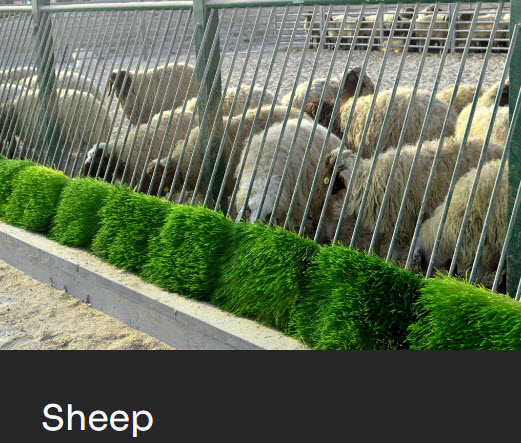
Sheep herd eating fresh hydroponic fodder
Herd Eating Fresh Hydroponic Fodder
Hydroponic fodder nutrition table
Fodder Nutrition Table

Speed & Scalability

A shorter cycle, adaptable to any flock size.

Cycle

Accelerated Production

The cultivation cycle in hydroponic systems is significantly shorter than in traditional farming, delivering high-quality forage in a fraction of the time.

Scale

Adaptability

Systems adapt easily to different animal species and production volumes, scaling to serve large flocks as readily as small ones.

Sheep fodder growing process
Seed to Sprout to Harvest

Climate Independence

Consistent production, whatever the weather is doing outside.

Control

Environmental Control

Hydroponic systems allow temperature, humidity and light to be controlled, ensuring consistent, high-quality production regardless of outdoor conditions.

Resilience

Weather Resilience

These systems are less vulnerable to extreme weather events like droughts or floods, making them a reliable feed source in emergency situations.

High Production Density

More forage, from a fraction of the land.

Footprint

Space Optimization

Large volumes of forage grow in a tight footprint — especially valuable on sites with limited land.

Resources

Resource Efficiency

High production density translates into greater efficiency in the use of water and nutrients per pound of forage produced.

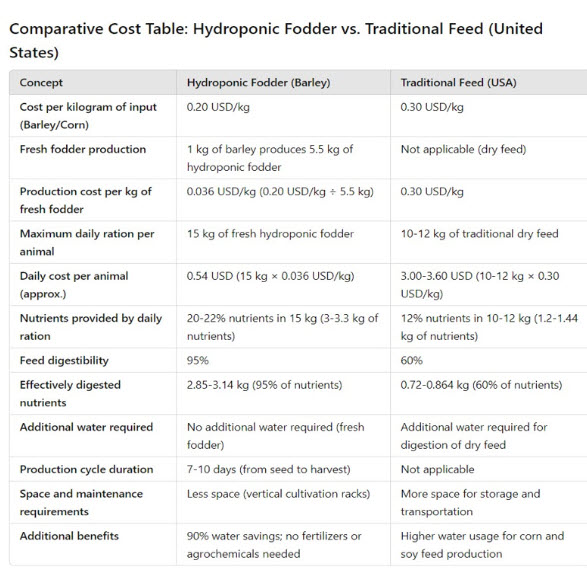
Comparative cost table: hydroponic fodder vs. traditional feed
Hydroponic Fodder vs. Traditional Feed: Cost Comparison

Operational & Logistical Ease

Automated, modular, and built to move.

Labor

Automation

Highly automated systems reduce the need for specialized labor and streamline day-to-day operations.

Design

Modularity

Hydroponic plants are designed in modules, making them easy to transport, install, and expand to new locations.

Distribution

Efficient Logistics

Hydroponic forage is easy to handle and transport, speeding distribution — including to emergency-response areas.

Irrigation & Climate Control

The technology running quietly behind every tray.

Irrigation

Automated Nutrient Delivery

Automated irrigation systems distribute nutrient solutions to the grow trays using drip or flood systems, with integrated drainage.

Sensing

Real-Time Climate Control

Sensors monitor temperature, humidity and CO2 levels, automatically adjusting ventilation and irrigation to keep forage growth optimized.

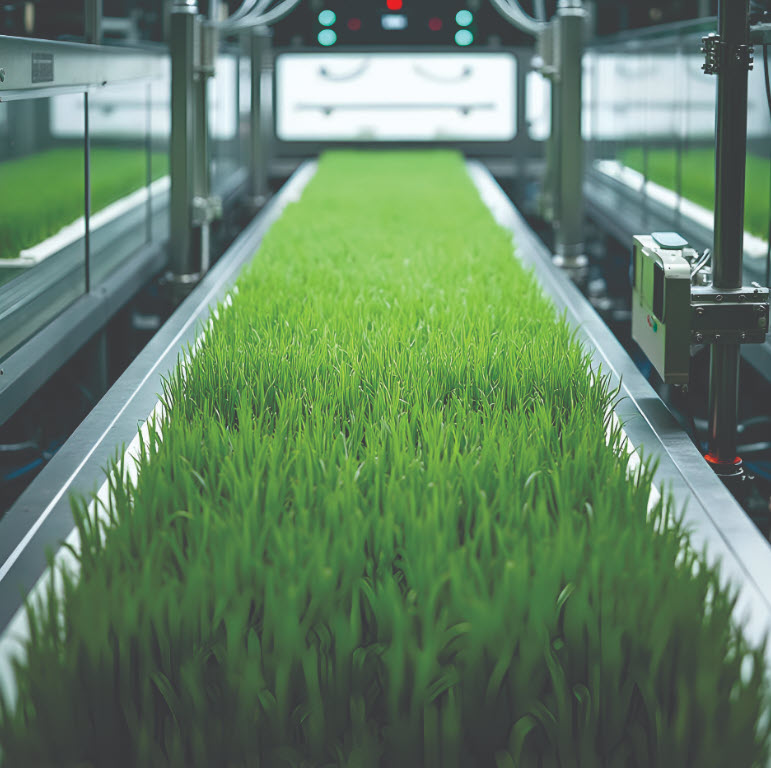
Automated hydroponic fodder growing system
Automated Growing System

Responsible Deployment

Sustainable, but not a one-size-fits-all replacement.

Water

Sustainability

Systems recirculate water, minimizing consumption and reducing pollution, while cutting reliance on pesticides and fertilizers.

Fit

Complementarity

Hydroponic forage should be seen as a complement to other food sources, not a one-size-fits-all solution.

Climate

Local Adaptation

Systems must adapt to local conditions — temperature, humidity and energy availability all shape the right configuration.

People

Training

Training local growers in hydroponic system management is essential to long-term sustainability.

Ready to design a system around your flock?

Our engineering team will assist you in designing a customized solution based on the size of your flock and daily feed requirements (lbs or kg). Contact us for a preliminary complimentary proposal.

amo@GreenTechnologyGlobal.com